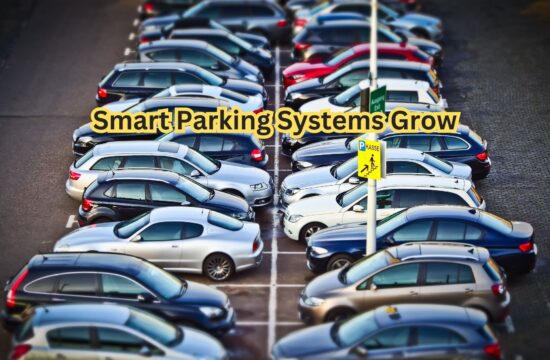
Beyond human ticketing, modern parking enforcement tactics have developed into highly automated, data-driven systems. In order to effectively manage parking, cities and private operators today rely on smart technologies. These tactics seek to improve user experience, decrease infractions, and increase compliance. Modern Parking Enforcement Strategies plays a crucial role in this transformation. Enforcement becomes quicker, more precise, and less reliant on human intervention in day-to-day operations when digital technologies are included. Modern Parking Enforcement Strategies continues to evolve with innovation, making systems more efficient and scalable. Overall, Modern Parking Enforcement Strategies is reshaping how parking is monitored and managed in today’s smart environments.
Role of Smart Sensors and IoT
IoT devices and smart sensors are essential to contemporary parking enforcement. Real-time vehicle occupancy monitoring is made possible by these technologies, which enable authorities to quickly identify infractions. Centralized systems receive data from sensors placed in parking spaces or street infrastructure. In addition to increasing operational effectiveness and greatly reducing human error, this eliminates the need for physical patrols and guarantees correct enforcement.
Automated License Plate Recognition
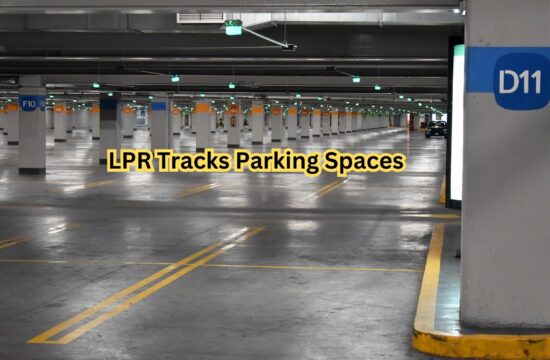
By facilitating rapid vehicle identification, Automated License Plate Recognition (ALPR) has revolutionized law enforcement. To look for infractions or unpaid fees, cameras scan license plates and compare them with databases. Enforcement teams can take immediate action without the need for human verification thanks to this technology. It guarantees that regulations are adhered to uniformly throughout all parking zones in urban settings, improves accuracy, and lowers fraud.
Digital Payment and Compliance Systems
Users may now pay for parking and fines more easily thanks to digital payment methods. Instant payments are made possible via mobile apps, QR codes, and internet portals, which minimize delays and conflicts. Real-time updates are guaranteed because these systems are directly connected to enforcement platforms. Compliance rates rise when users can pay with ease, and enforcement focuses more on promoting appropriate parking practices rather than imposing fines.
Data Analytics for Better Decision Making
One effective instrument in contemporary parking enforcement tactics is data analytics. To make wise decisions, authorities examine parking patterns, trends in infractions, and periods of high usage. This aids in resource allocation, pricing optimization, and increased parking availability. Cities can develop more effective enforcement strategies that effectively reduce traffic and adjust to shifting urban needs by utilizing data-driven insights.
Integration with Mobile Applications
Mobile applications have become central to parking enforcement strategies. Users can locate parking spaces, make payments, and receive notifications through apps. Enforcement teams also use mobile tools to issue tickets and monitor activity. This integration improves communication between users and authorities, making the entire system more transparent, user-friendly, and efficient for both parties involved in parking management.
Benefits of Cloud-Based Enforcement Systems
Parking enforcement platforms can function smoothly across several locations thanks to cloud-based technology. They facilitate improved team communication by storing and processing massive volumes of data in real time. These solutions are inexpensive, scalable, and simple to update. Cloud technology allows operators to oversee enforcement from a distance while guaranteeing reliable performance and enhanced service delivery in various geographical areas.
Challenges and Future Trends
Modern parking enforcement still faces obstacles such system integration problems, high implementation costs, and privacy concerns despite progress. However, upcoming developments like autonomous law enforcement vehicles, AI-powered analytics, and smart city integration promise more advancements. Parking enforcement will become more proactive, effective, and user-focused as technology advances, assisting cities in more sustainable and successful space management.